Choosing a Chinese tattoo can be exciting, meaningful, and deeply personal - but it can also feel overwhelming if you're not familiar with the language, the culture, or the different calligraphy styles. As a Chinese calligrapher who works with characters every day, I created this guide to help you avoid the classic pitfalls and choose a Chinese tattoo you'll love for life - not one you'll have to awkwardly explain at parties.
In this guide, you'll learn how to pick the right meaning, understand different writing styles, choose a clean and balanced layout, find the perfect placement, and avoid common mistakes (including the infamous "Google Translate disaster"). Let's make sure your tattoo says what you truly wanted it to say.
1. Start With the Meaning You Want
Before you dive into calligraphy styles or debate whether your tattoo should go on your arm or rib, start with the most important question:
What do you want your tattoo to express?
Here are a few directions people commonly choose:
- Culturally rooted — characters with deep heritage, like 仁 (humanity), 静 (stillness), 福 (blessing), or powerful symbols like the zodiac 龙 (dragon).
- Timeless virtues — universal values such as 爱 (love), 梦 (dream), or 希望 (hope) that speak across cultures.
- Visual aesthetic — choosing characters simply because they’re stunning, elegant, and beautifully balanced on the skin.
- Funny or meme-style — playful modern phrases (Yes, those exist too).
- Philosophical & symbolic — concepts from Daoism, Confucianism, and classical literature, like 道 (the Way).
- Minimalist — clean, simple, geometric characters such as 水 (water) or 月 (moon) that feel modern and subtle.
Whatever direction you choose, the meaning sets the foundation - everything else (style, layout, placement) flows naturally from this first decision.
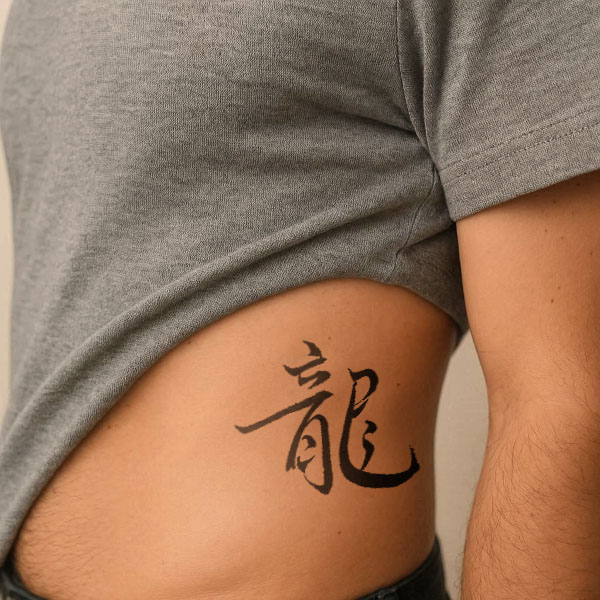

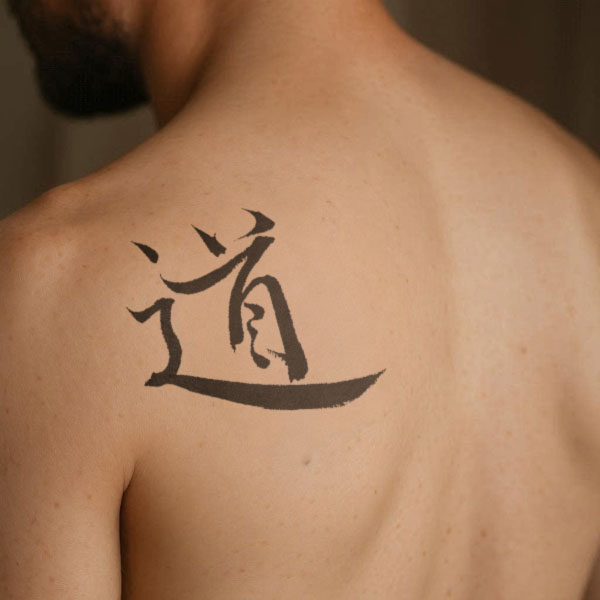
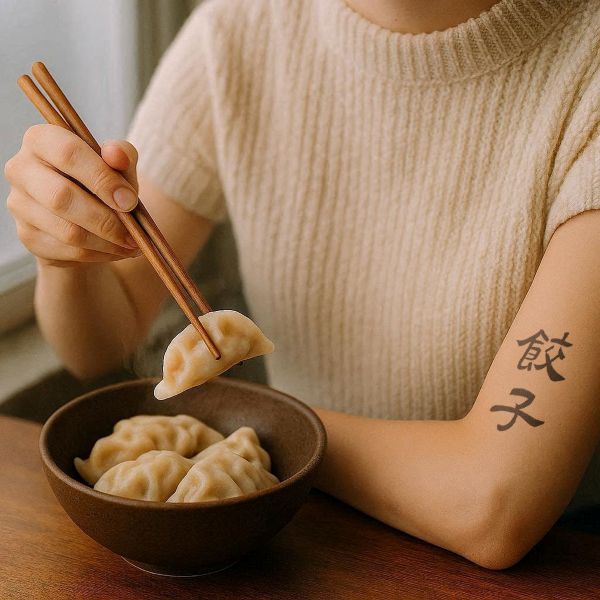
Not sure where to start? If you are struggling to find the right word, check out our curated list:
👉 Top 50 Chinese Characters for Tattoos (With Accurate Meanings)
It’s a carefully vetted list of characters and meanings you can trust - no guesswork, no Google-Translate disasters, just accurate, meaningful options to spark inspiration.
2. Choose Your Calligraphy Style (It Changes Everything)
One of the biggest misconceptions about Chinese tattoos is the idea that there's just one "Chinese font." In reality, Chinese calligraphy is an entire world of artistic tradition - each style with its own mood, rhythm, and personality. Choosing a generic computer font (like SimHei or SimSun) is basically the equivalent of tattooing your favorite quote in Times New Roman… or worse, Comic Sans. Technically correct, yes. Emotionally? Absolutely soulless.
To help you choose a style that actually matches the meaning and energy you want, here's a quick breakdown of the five major Chinese calligraphy scripts:
1. Seal Script (篆书)
- Vibe: Ancient, geometric, symbolic.
- Best For: Minimalist tattoos, stamp-like aesthetics, or a mysterious, archeological vibe (as it is hard for modern readers to decipher).
2. Clerical Script (隶书)
- Vibe: Elegant, historical, low and wide strokes.
- Best For: Vintage or traditional looks; designs that feel balanced, calm, and grounded.
3. Regular Script (楷书)
- Vibe: Standard, legible, square.
- Best For: When clarity and structure are your top priority.
4. Semi-Cursive Script (行书)
- Vibe: Smooth, expressive, natural flow.
- Best For: Tattoos with movement, emotion, and artistic personality. It’s readable but still beautifully fluid.
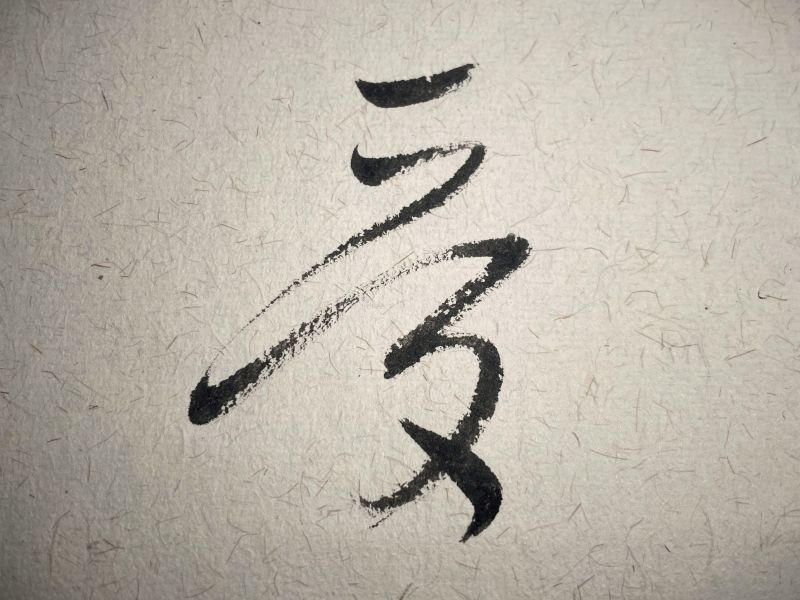
5. Cursive Script (草书)
- Vibe: Wild, fast, abstract.
- Best For: Extremely artistic and emotional tattoos - but only if you already know the meaning, because it becomes very abstract.
Chinese calligraphy has evolved over thousands of years, and each script carries its own spirit - even with the same character, each style tells a different story.
Here’s how the character 爱 (love) transforms across all five styles:
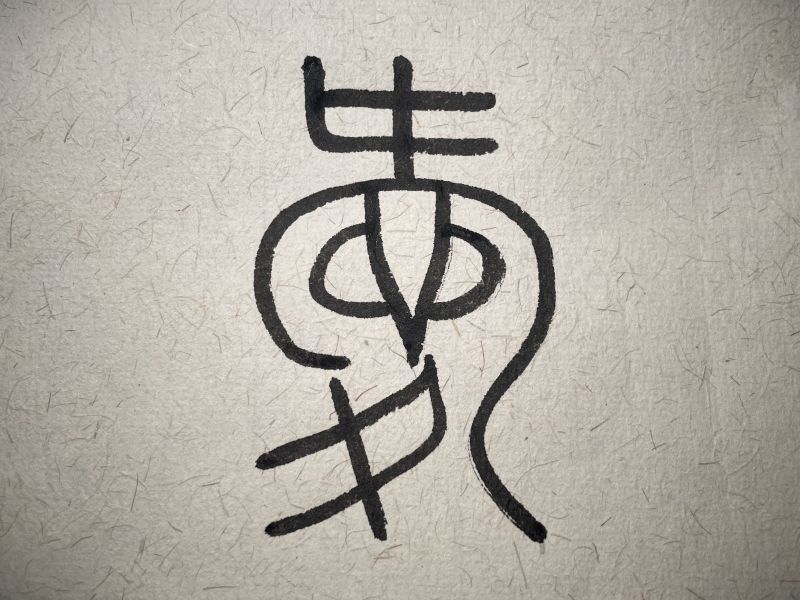
Seal Script
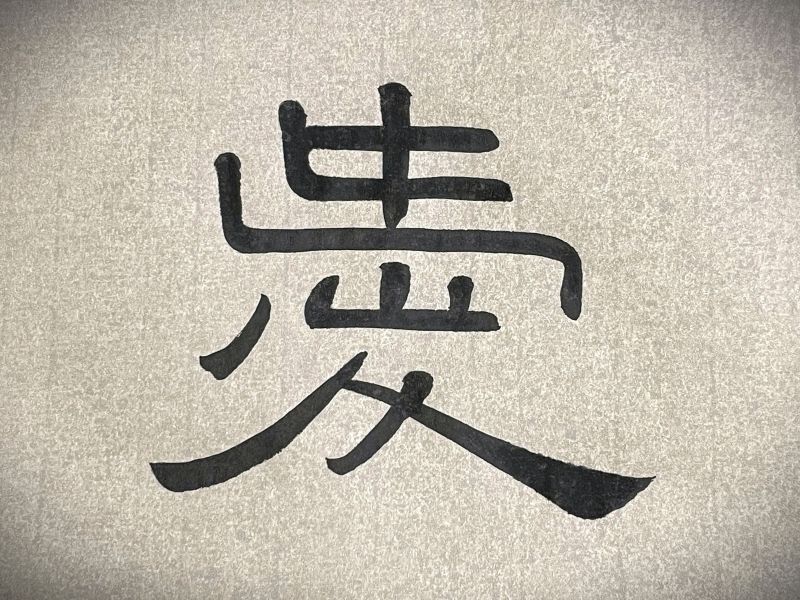
Clerical Script
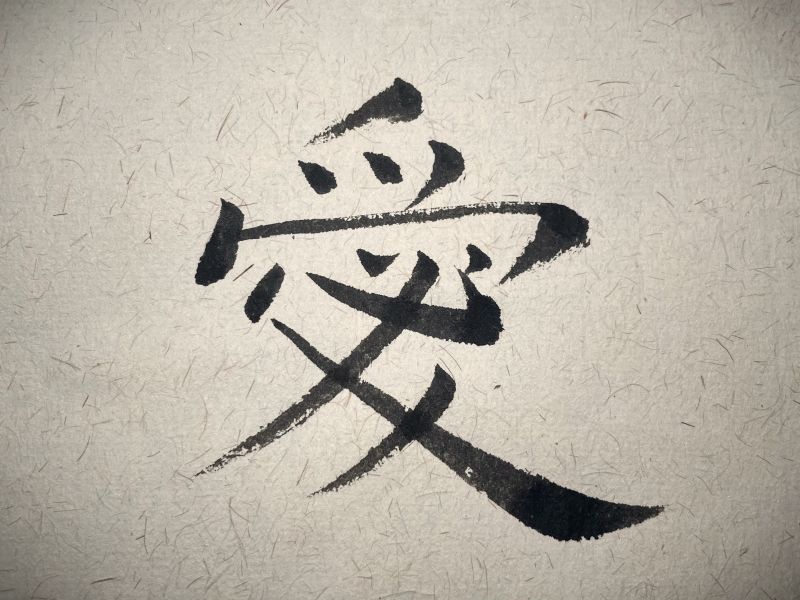
Regular Script
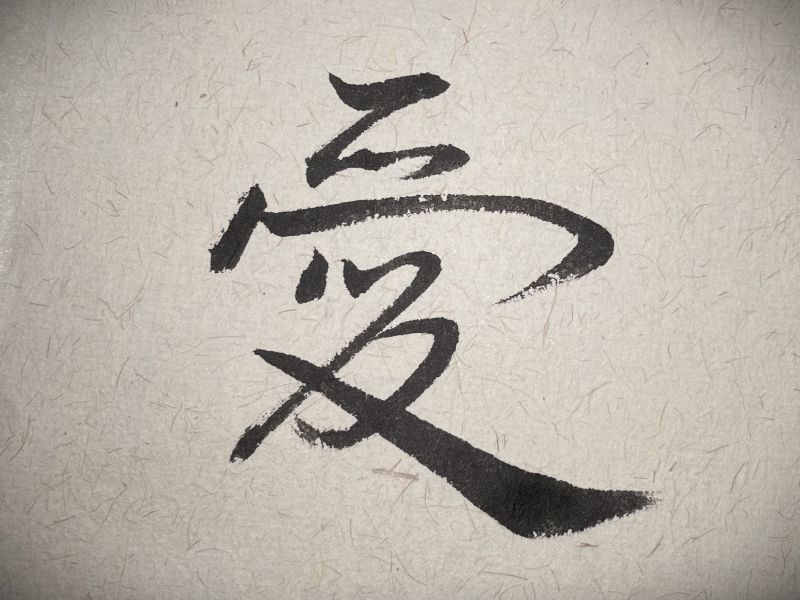
Semi-Cursive Script
Cursive Script
Want to see more examples to decide which fits your personality? Check out our full guide:
👉 Chinese Tattoo Styles Explained: Which One Is Right for Your Tattoo?
3. Think About Placement and Layout
The placement of your tattoo dictates how the calligraphy should be composed. A design meant for a spine looks very different from one meant for a wrist.
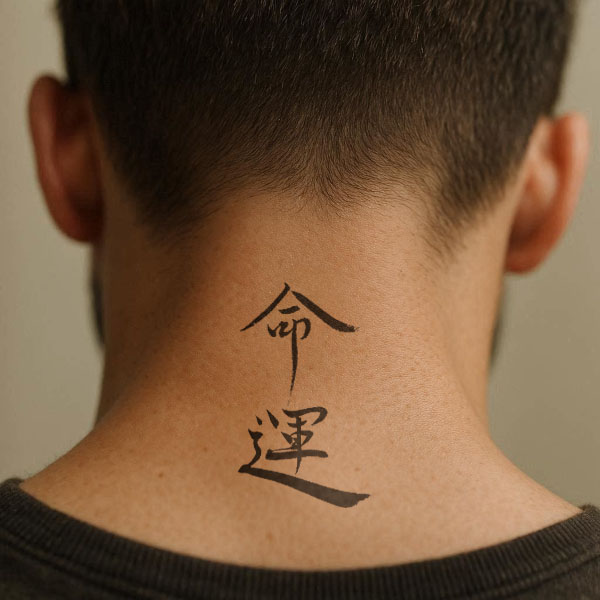
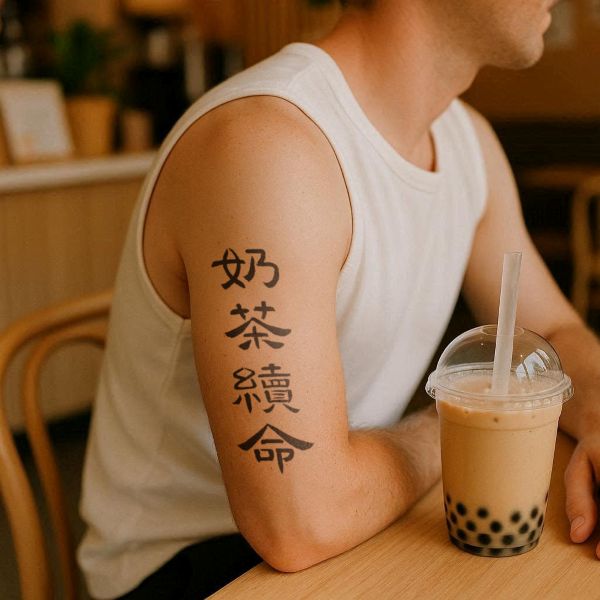
- Vertical Flow: Traditional Chinese is often written vertically. This is perfect for spine tattoos, ribs, or the forearm.
- Horizontal Flow: Modern Chinese is read left-to-right (or historically right-to-left for signs). This works well for the collarbone, chest, or waist tattoos.
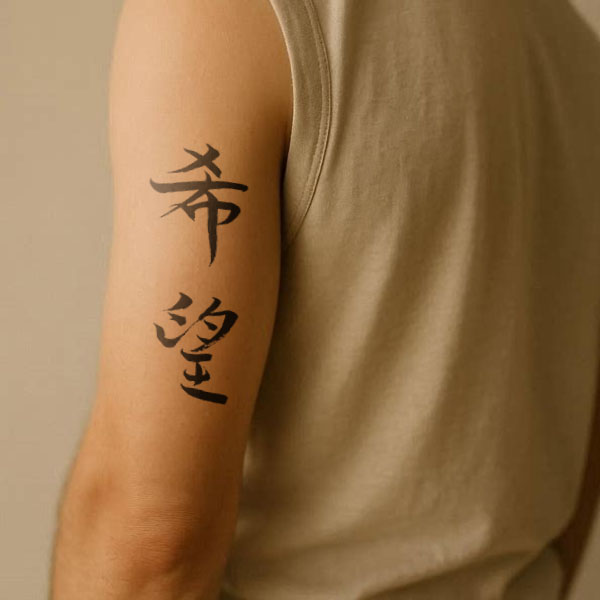
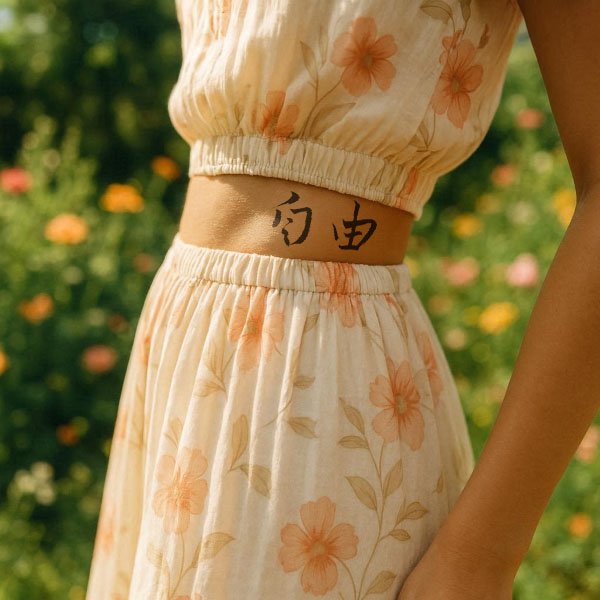
Common Chinese tattoo placements include:
- Neck: Often vertical, behind the ear or down the spine.
- Upper arm: Great for longer phrases or idioms that need room to breathe.
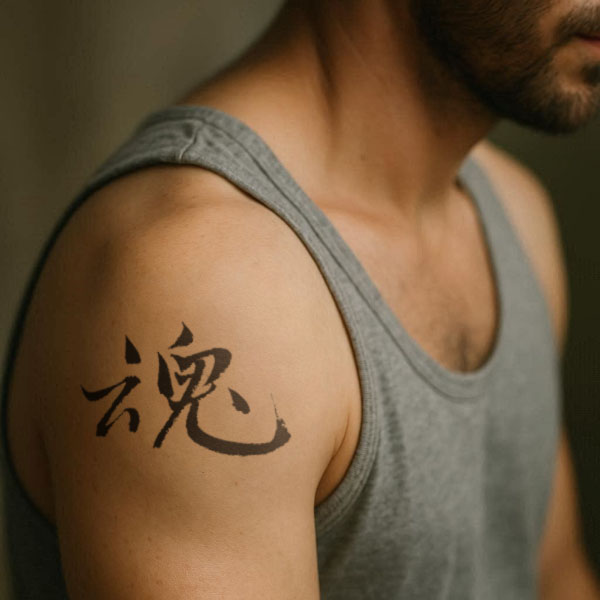
- Shoulder: Great for bold single characters with strong visual structure.
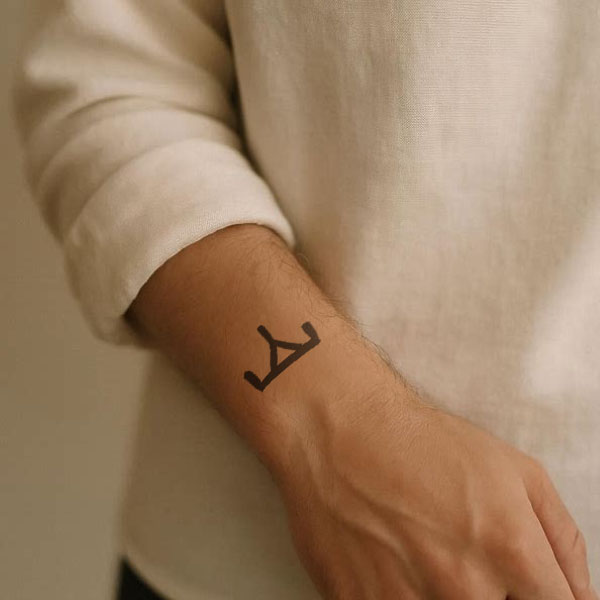
- Wrist: Best for small, minimalist single characters.
If you want deeper guidance, visit:
👉 How to Choose the Perfect Placement for Your Chinese Tattoo
4. Avoid the Most Common Chinese Tattoo Mistakes
Even celebrities - with entire glam teams and assistants - have gotten Chinese tattoos hilariously wrong. (If they can accidentally tattoo “turkey noodle” instead of “warrior,” anyone can.) The good news? Almost all common mistakes are avoidable.
As a calligrapher who reviews Chinese tattoo designs every day, these are the biggest pitfalls I see:
1. Using Google Translate: This is the #1 cause of disastrous tattoos.
Chinese is deeply contextual. One English word can map to several Chinese meanings… or none.
Examples:
- “Faithful” could mean loyal, religious, or accurate - three totally different characters.
- “Free” can mean freedom (自由)… or no charge (免费). Please don’t tattoo “50% OFF.”
2. Wrong character order
Chinese grammar ≠ English grammar.
If you flip the order, the phrase can become awkward, childish, or simply nonsense.
It’s like tattooing “Strong Be I” - poetic, but not in a good way.
3. Mirrored or flipped characters
Because Chinese characters are built from precise stroke structures, flipping them makes them instantly incorrect.
This usually happens when someone screenshots an image and the tattoo artist (who may not read Chinese) simply stencils the reversed version. The result? A beautiful tattoo… that says absolutely nothing.
4. Incorrect fonts
Not all “Chinese-looking” fonts are real Chinese calligraphy.
Some online fonts distort strokes, change the structure, or make the character look unbalanced - even unreadable.
5. Final Thoughts from a Professional Calligrapher
A Chinese tattoo is more than a design - it’s a tiny piece of culture, philosophy, and personality you get to wear forever. When you choose it with care - the meaning, the calligraphy style, the placement, and yes, making sure it’s not accidentally upside-down - it becomes a lifelong artwork, not a lifelong regret.
If you want a professionally handwritten design, culturally accurate meaning explanation, and placement guidance, explore our handwritten Chinese tattoo designs here at Lán Ink Studio - created for global tattoo lovers who want more than just ink.
(All Chinese calligraphy images featured in this article are original works handwritten by Lan.)