When choosing a Chinese character tattoo, most people focus only on the meaning - strength, peace, love, courage, destiny… all great choices. But in Chinese culture, how the character is written is just as important as what it means.
Chinese Calligraphy isn't just "handwriting." It's a 3000-year-old art form shaped by emperors, scholars, and poets. Each script style has its own history, personality, emotional tone, and visual energy. Think of it like choosing a voice for your tattoo: soft or bold, ancient or modern, elegant or fierce.
The same character can look calm in one style… and ready to fight a dragon in another.
Understanding the five major calligraphy styles will help you choose a Chinese tattoo that not only says the right meaning - but expresses it authentically, beautifully, and with cultural accuracy.
1. Seal Script (篆书 Zhuànshū)
Ancient · Timeless · Ritualistic
Seal Script is the oldest major style of Chinese writing, evolving from bronze inscriptions (c. 1600–256 BCE). Standardized in the Qin dynasty (221–206 BCE). It was used for royal seals, ceremonial inscriptions, and important artifacts. Now mainly for seals, inscriptions, and artistic works; rarely used in daily writing.
Visual Features
Emotional ToneSeal Script feels eternal, balanced, and almost sacred - like something carved into ancient jade or bronze. It conveys a sense of origins, ancestry, and timelessness. |
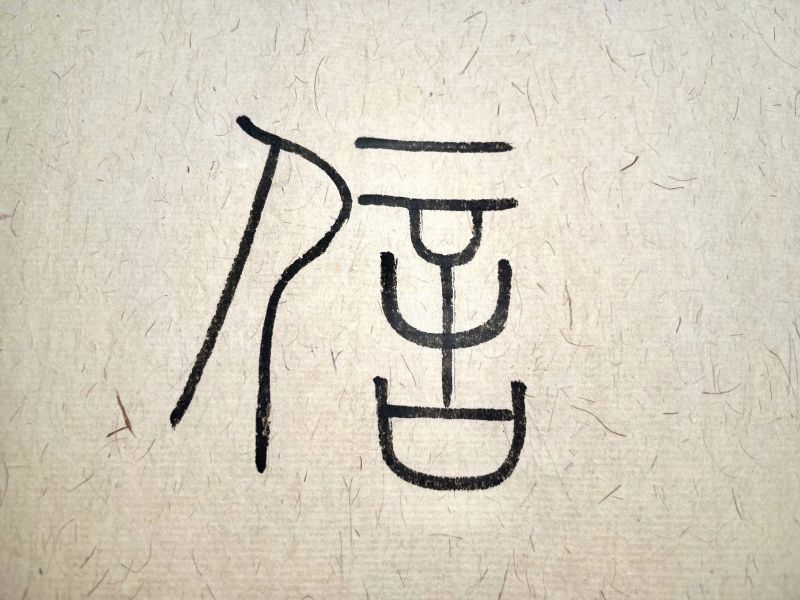 Faith(信) in Seal Script |
Best for Tattoos Expressing
Why It Changes Tattoo MeaningA simple word like 信 (trust/faith/integrity) in Seal Script doesn't just mean "trust" in a casual sense - it embodies steadfast integrity, lasting loyalty, and an unbreakable promise. The structure of the strokes gives it moral weight, turning a simple word into a quiet declaration of character. |
How faith(信) is written in Seal Script |
2. Clerical Script (隶书 Lìshū)
Stable · Dignified · Elegant Balance
Clerical Script emerged during the Qin–Han dynasties (c. 221 BCE–220 CE) to simplify Seal Script for bureaucratic documents, and became the foundation of China’s written culture. It sits between ancient and modern writing - classic but approachable.
Visual Features
Emotional ToneIt feels stable, respectable, and thoughtfully balanced. Many people describe it as "serene strength" - power expressed with dignity, not aggression. |
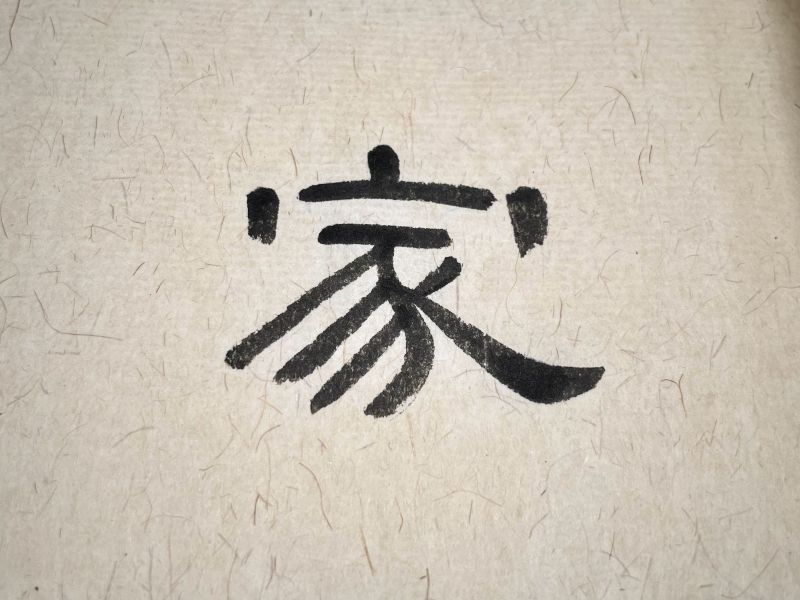 Family(家) in Clerical Script |
Best for Tattoos Expressing
Why It Changes Tattoo MeaningThe same character 家 (family) written in Clerical Script feels grounded and contemplative. The broad, balanced strokes convey stability, belonging, and quiet maturity, giving the character a refined and timeless presence. |
How family(家) is written in Clerical Script |
3. Regular Script (楷书 Kǎishū)
Clear · Clean · Minimalistic
Regular Script is the most readable and standardized style - the “default” handwriting used in everyday life. Matured in the Wei–Jin periods (c. 220–420 CE). Perfected by calligraphers like Wang Xizhi. It’s the standard style for printing, education, and formal writing; the basis of modern Chinese characters.
Visual Features
Emotional ToneMinimal, calm, and composed. It expresses meaning with clarity and confidence, making it ideal for those who want something simple yet elegant. |
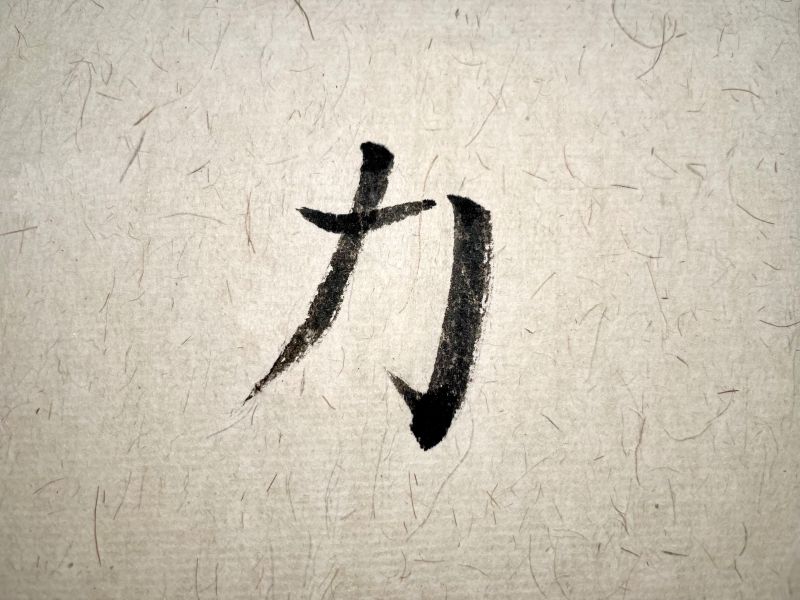 Strength(力) in Regular Script |
Best for Tattoos Expressing
Why It Changes Tattoo MeaningIn Regular Script, "Peace" feels more like calm order. "Courage" feels more steady and controlled than wild or expressive. "Strength" becomes resilient rather than forceful. This style conveys the most direct message if used for tattoos. |
How strength(力) is written in Regular Script |
4. Semi-Cursive Script (行书 Xíngshū)
Natural · Expressive · Fluid Movement
Semi-cursive is where handwriting becomes alive. It was emerged as a cursive form of Regular Script during the Han–Jin dynasties (c. 200–400 CE). The strokes connect, flow, and breathe, which makes it popular for personal correspondence, notes, and expressive art.
Visual Features
Emotional ToneSemi-cursive captures personality and emotion. It feels warm, human, and expressive - like someone's thoughts written in a journal or a moment of inspiration captured on paper. |
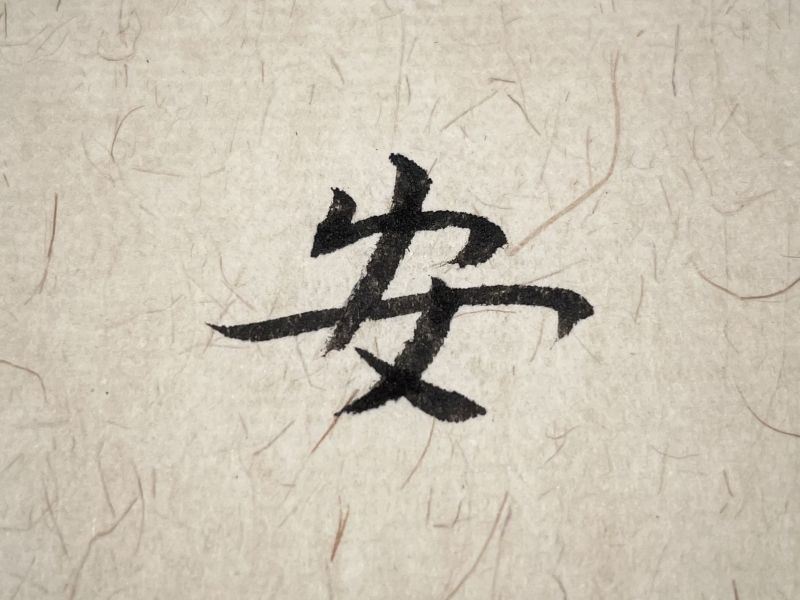 Peace(安) in Semi-cursive Script |
Best for Tattoos Expressing
Why It Changes Tattoo MeaningThe same character gains intimate emotional depth in Semi-cursive Script. 安 (peace) becomes warm, protective, and gently reassuring. This style is popular among people who want a tattoo that looks artistic but not overly abstract. |
How peace(安) is written in Semi-cursive Script |
5. Cursive Script (草书 Cǎoshū)
Bold · Free · Wild Energy
Cursive Script is the most artistic and expressive style. Strokes fly across the page with speed and emotion. It requires mastery to read - and even greater mastery to write.
Visual Features
Emotional ToneIt feels explosive, free-spirited, and completely individual. This style captures the artist's qi (energy) in its rawest form. |
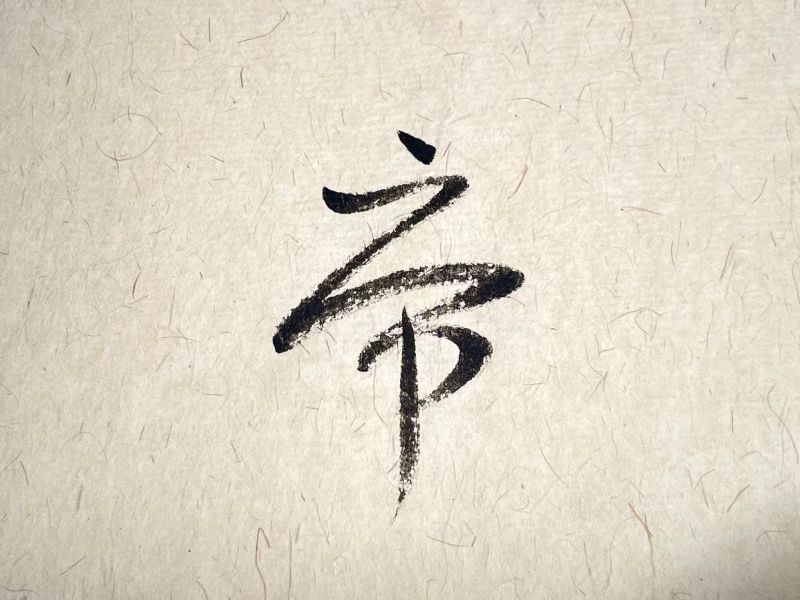 Tiger(虎) in Cursive Script |
Best for Tattoos Expressing
Why It Changes Tattoo MeaningA character like 虎 (tiger) in Cursive Script feels fierce, untamed, and unstoppable - not calm or symbolic, but raw and alive. This style is for people who want a tattoo that is truly a piece of artwork-dynamic, alive, and deeply expressive. |
How tiger(虎) is written in Cursive Script |
How Style Changes the Feeling of the Same Character
Let’s look at one example:
心 (xīn) - heart / mind / inner self
- Seal Script: feels symbolic, ancient, and rooted in early spiritual meaning
- Clerical Script: feels steady, structured, and emotionally composed
- Regular Script: feels clear, sincere, and universally readable
- Semi-Cursive: feels warm, expressive, and gently emotional
- Cursive: feels raw, intuitive, and artistic (Maybe too much for some people)
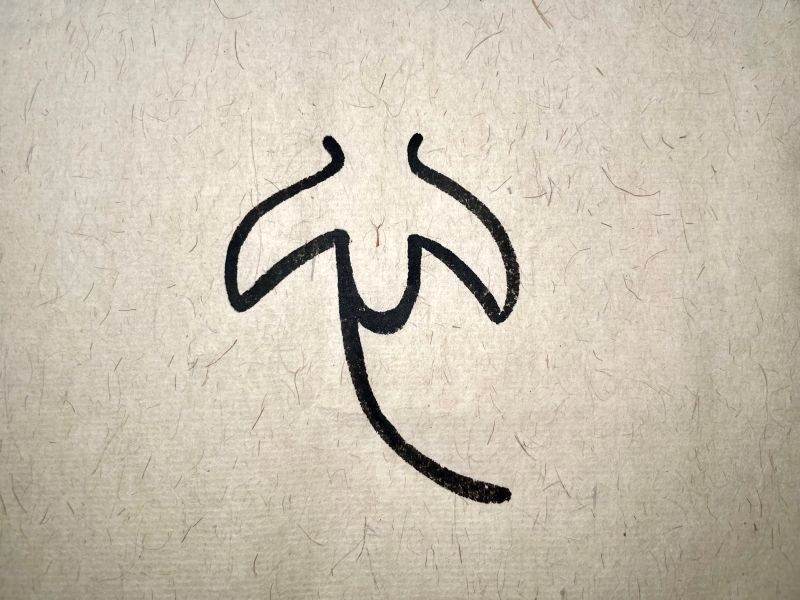
Seal Script
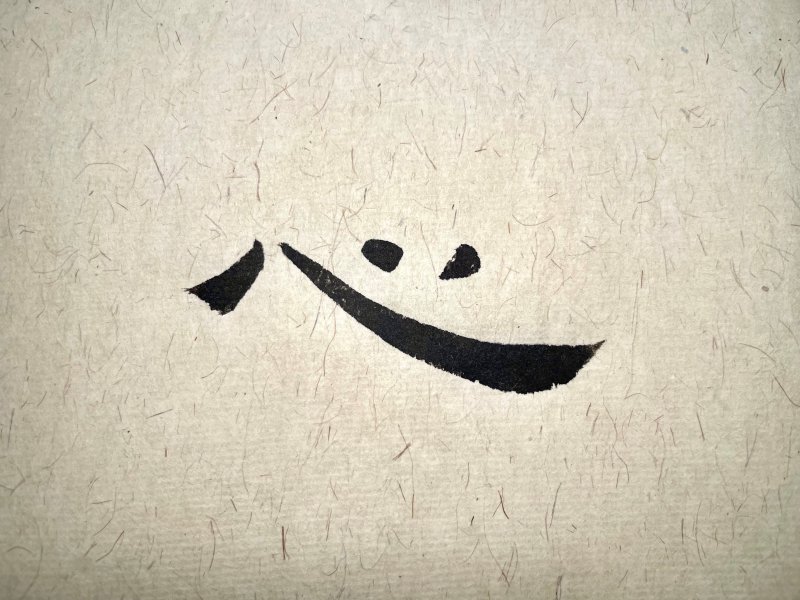
Clerical Script
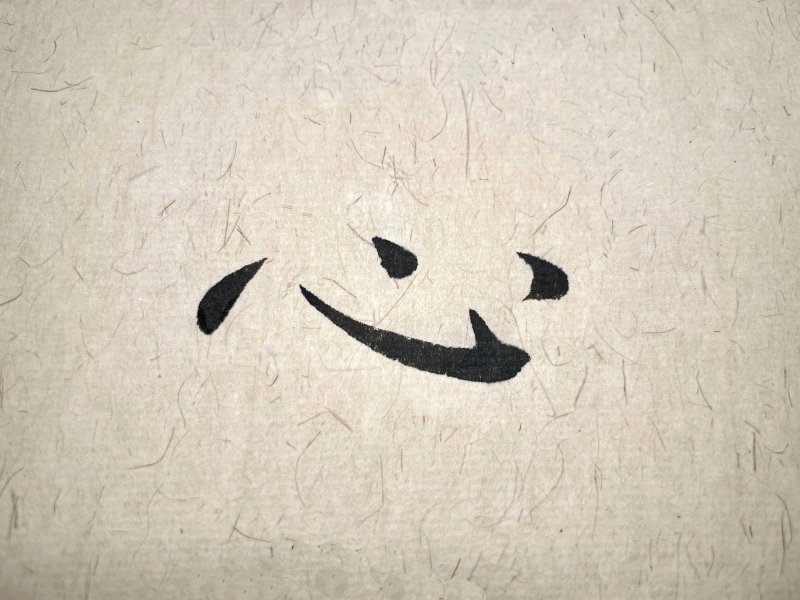
Regular Script
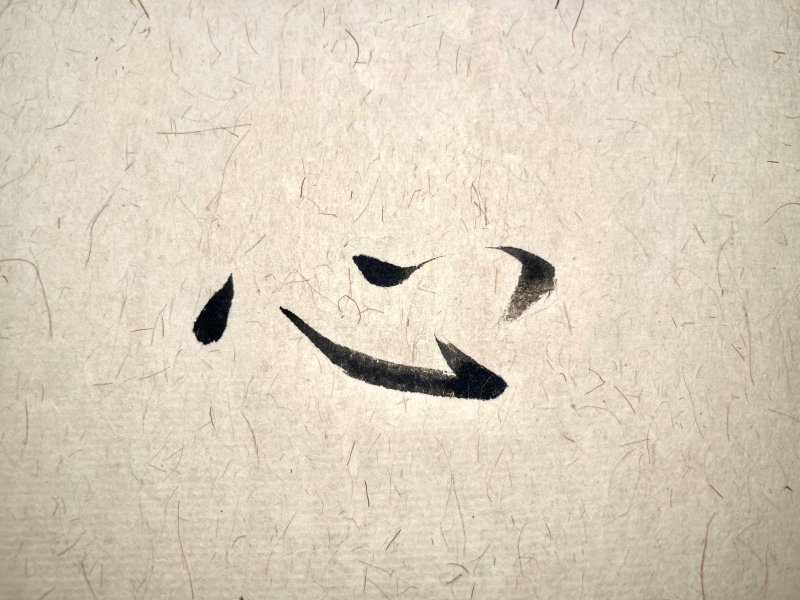
Semi-Cursive Script
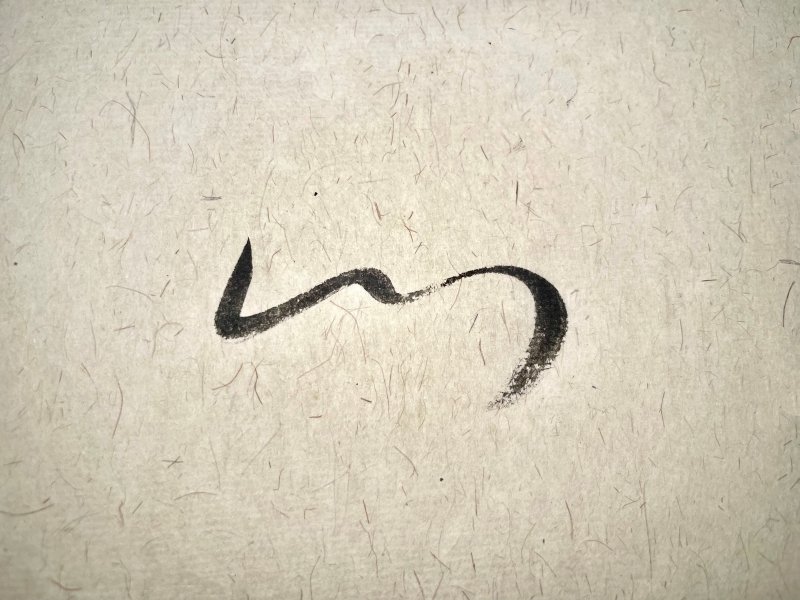
Cursive Script
Same word, but completely different expression in different calligraphy styles.
Chinese tattoos are not just about the meaning - they are about the energy you want the meaning to express.
How to Choose the Right Style for Your Tattoo
Here are the questions you should probably consider:
1. Do you prefer ancient or modern aesthetics?Ancient → Seal or Clerical 2. Do you want your tattoo to feel calm or expressive?Calm → Regular or Clerical 3. Do you want something unique or something standard?Unique → Handwritten Cursive / Semi-cursive |
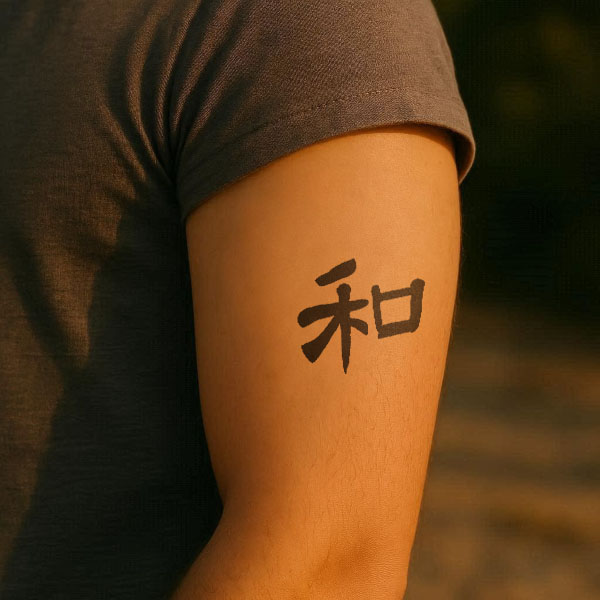
harmony (和) in Clerical Script |
Why You Should Never Choose a Random Font
Fonts lack:
- cultural accuracy
- stroke integrity
- artistic flow
- emotional expression
- uniqueness
- and often…correctness
The 5 major calligraphy styles evolved from ritual inscriptions (Seal) to administrative efficiency (Clerical), then to readability (Regular) and personal expression (Semi-Cursive/Cursive). Together, they represent a unique visual language blending utility, philosophy, and aesthetics in Chinese culture. For a tattoo that stays with you forever, cultural authenticity is something you should definitely consider.
(All Chinese calligraphy images and videos featured in this article are original works handwritten by Lan.)